







Artificial intelligence is no longer simply helping people work faster—it is beginning to perform entire workflows. In 2026, AI agents can research, write, code, analyze data, manage documents, and execute multi-step tasks with increasingly limited human intervention.
Here are five AI tools that could significantly reduce the need for certain job functions:
1. ChatGPT
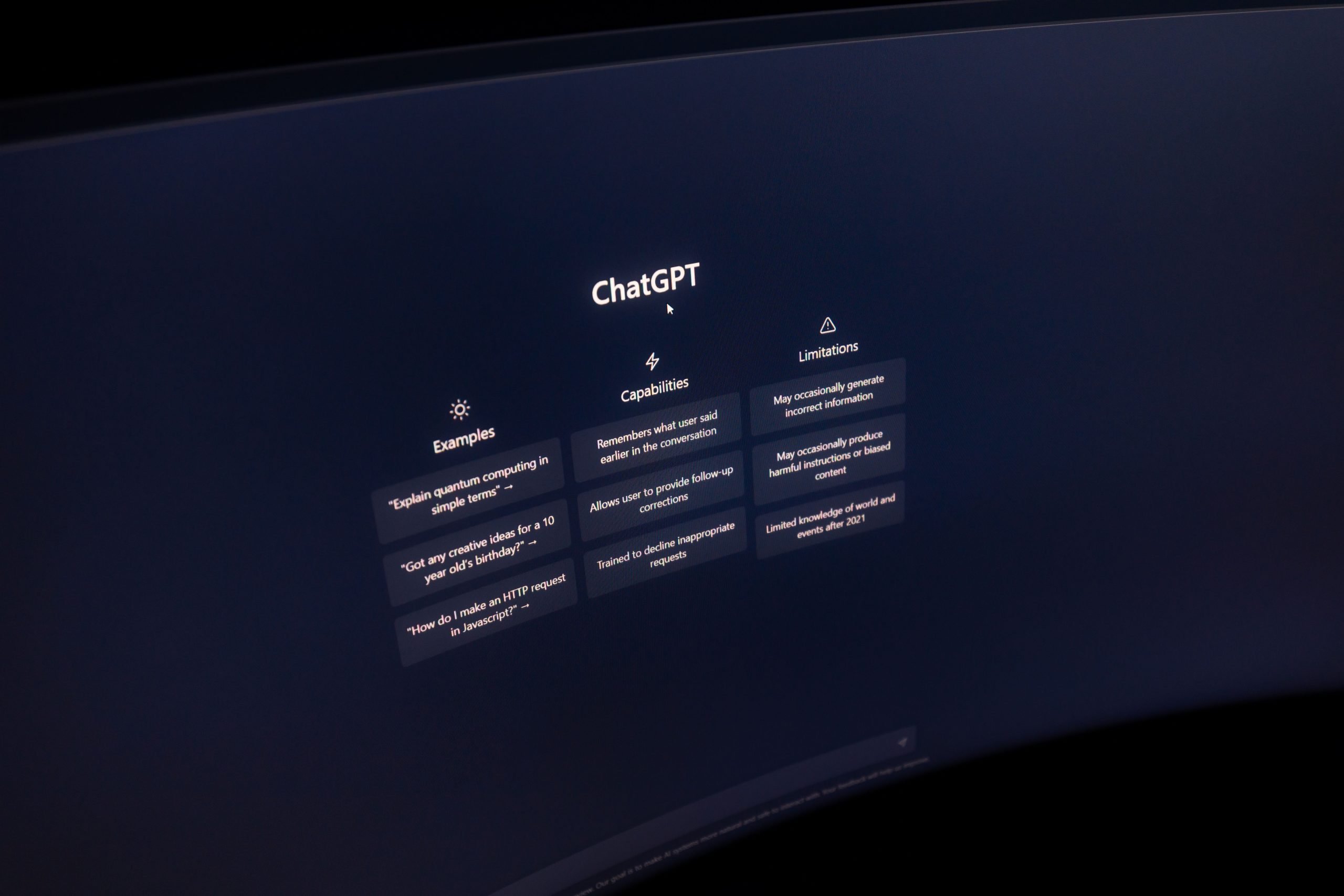
From content creation and research to data analysis, coding, and document generation, ChatGPT can handle tasks traditionally performed by writers, analysts, assistants, and junior developers.
2. Claude
Claude is becoming a powerful alternative for knowledge workers, particularly in writing, research, document analysis, coding, and complex reasoning.
3. Microsoft Copilot
Integrated into Word, Excel, PowerPoint, Outlook, and Teams, Copilot can automate administrative and office tasks that once required dedicated employees.
4. Google Gemini
Gemini combines AI with Google’s productivity ecosystem, helping automate research, communication, data analysis, and content production.
5. GitHub Copilot
Software development is one of the clearest examples of AI-driven job transformation. Copilot can generate code, suggest fixes, run tests, and assist throughout the development lifecycle.
The real threat isn’t AI replacing every job. It’s people using AI replacing people who don’t. The future belongs to professionals who learn to work alongside intelligent systems rather than compete against them.